Woolwich Road Moves: Peak Times and Access Solutions
Posted on 02/06/2026
Planning a move along Woolwich Road can look straightforward on a map, and then the day arrives and the road feels like a different place altogether. Peak-hour traffic, awkward parking, tight frontages, buses, delivery vehicles, pedestrians, and a schedule that somehow keeps shrinking - it all adds up. That is exactly why Woolwich Road Moves: Peak Times and Access Solutions matters. If you are moving a flat, a family home, or just a few bulky items, timing and access can make the difference between a calm job and a stressful one. The good news? With the right planning, you can make the route, loading point, and delivery window work in your favour.
This guide walks through the practical side of moving on or near Woolwich Road: when it is busiest, what access issues usually crop up, how to plan around them, and which solutions actually help on the day. You will also find a checklist, comparison table, real-world examples, and useful internal resources to help you prepare properly. No fluff. Just the stuff that saves time, avoids faff, and keeps your move moving.
Why Woolwich Road Moves: Peak Times and Access Solutions Matters
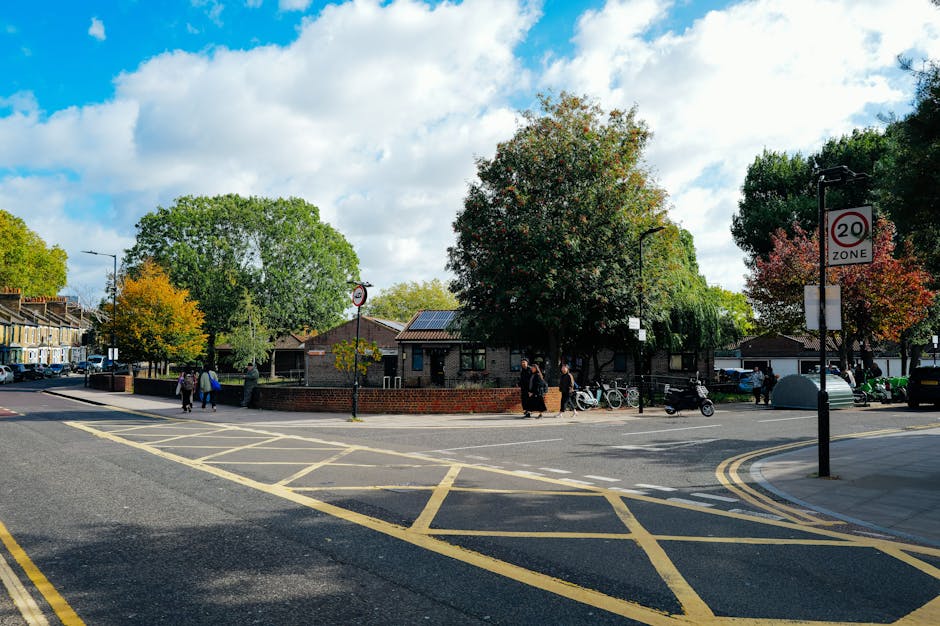
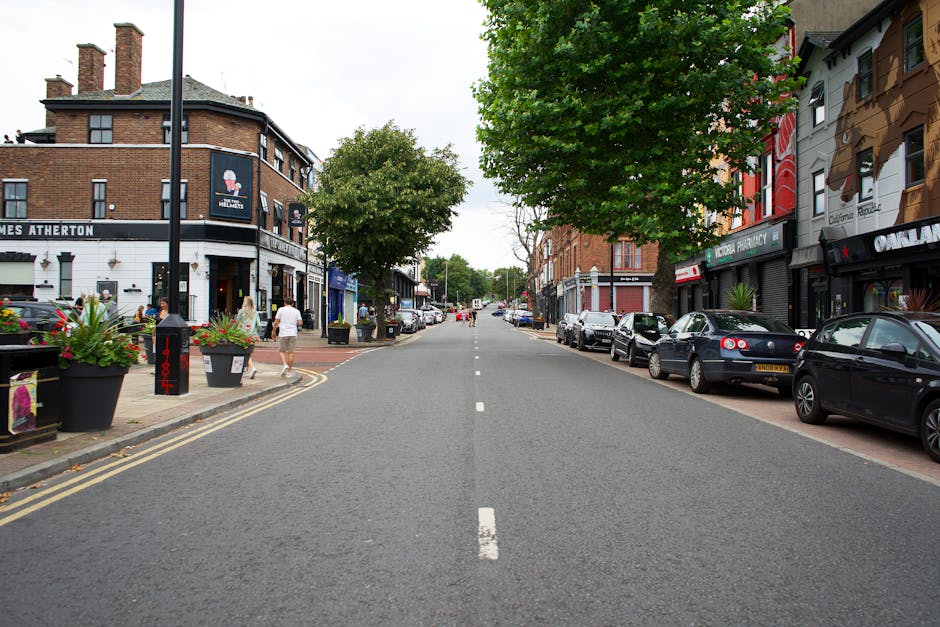
Woolwich Road sits in a part of London where everyday movement is rarely simple. On some stretches you will face steady commuter traffic; on others, a parked car, bus stop, or narrow kerb space can slow a van right down. That matters because removals are not just about lifting boxes. They are about time windows, vehicle positioning, safe loading, and getting clear access to the property. Miss one of those, and the whole job can become longer, pricier, and more tiring than it needs to be.
Peak times are especially important. If you arrive during a rush period, you may spend more time waiting than moving. A small delay sounds harmless until the crew is carrying a wardrobe across a road with limited stopping space, or you are trying to finish before a building access slot closes. To be fair, that is where a well-planned move feels almost boring in the best possible way: less drama, fewer surprises, and a lot less shouting across the pavement.
This also matters for different types of moves. A student move with a handful of bags can be forgiving. A family relocation with beds, sofas, and white goods? Much less forgiving. Add shared entrances, stairwells, lift booking times, or a narrow front garden, and access becomes a core part of the plan, not an afterthought.
For a broader look at moving support, you may also want to explore local removal services in Bexleyheath and the wider services overview before you compare options.
How Woolwich Road Moves: Peak Times and Access Solutions Works
The idea is simple: you match the move to the road, rather than hoping the road will cooperate. In practice, that means looking at three things together - timing, vehicle access, and property access.
1. Timing the move around traffic and road activity
Woolwich Road can be busier at predictable points in the day. School runs, commuting periods, lunch-time traffic, weekend shopping trips, and delivery-heavy mornings can all affect how quickly a van gets in and out. If you are able to shift the move to an earlier start, a mid-morning slot, or a quieter weekday, you may save a lot of time. It is one of those small decisions that pays off quietly.
2. Planning where the van will actually stop
A move is smoother when the vehicle can park close to the entrance. That sounds obvious, but on busy roads it may not happen without thought. A van parked too far away means longer carries, more chance of dropped items, and a slower pace. If the property has a narrow frontage, single yellow restrictions, or very limited on-street space, it becomes even more important to plan the loading point in advance.
3. Matching access equipment to the property
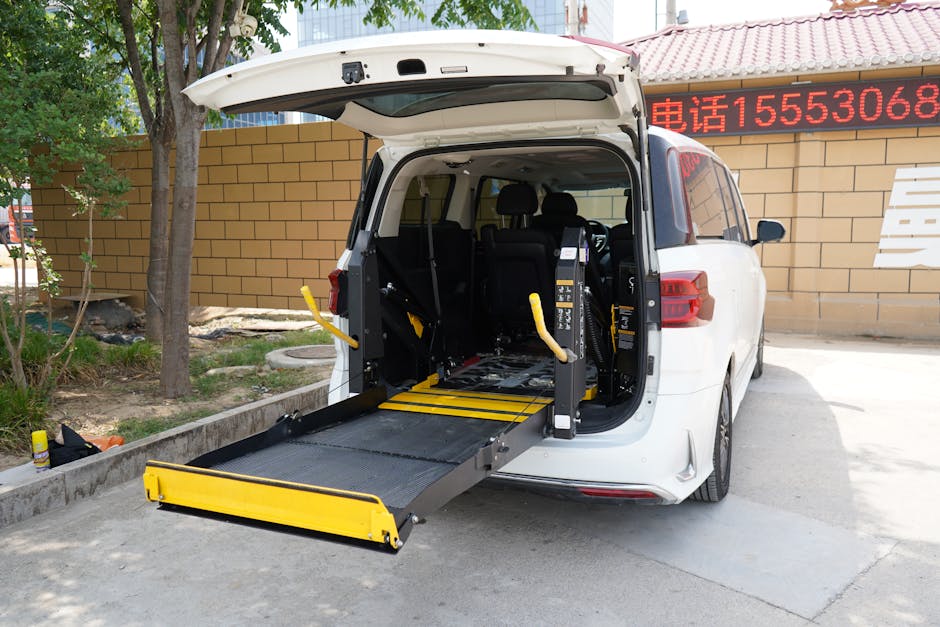
Sometimes the road is not the hardest part - the building is. Upper-floor flats, tight staircases, awkward turns, and narrow doors can all slow a move. That is where access tools and smart handling make a difference. Removal blankets, straps, trolleys, skates, and suitable packing materials help protect both the item and the building. If a sofa needs careful wrapping to get through a turn in the hallway, it is worth preparing that before the van even arrives.
For more on moving and handling larger pieces safely, this guide on kinetic lifting techniques is a useful background read, and this article on managing heavy lifting by yourself is helpful if you are doing some of the work solo.
4. Coordinating the people involved
Good access planning is also about communication. Who is meeting the van? Who has keys? Is the lift booked? Are there parking instructions, gate codes, or a concierge to speak to? Even a quick mix-up here can cost you ten or fifteen minutes, and in London that can be enough to knock the rhythm out of the whole job. And once the rhythm goes, everything feels harder.
Key Benefits and Practical Advantages
When timing and access are handled well, the benefits show up immediately. Not in theory. On the driveway, in the stairwell, and on the clock.
- Less waiting time: A van that can stop legally and sensibly close to the property keeps the job moving.
- Lower physical strain: Shorter carries reduce the risk of fatigue and awkward lifting.
- Better item protection: Fewer handovers and less rushing usually means fewer scuffs and bumps.
- More predictable costs: Time saved on access often means fewer overruns, especially on timed jobs.
- Improved neighbour relations: A tidy, well-managed move is less disruptive to neighbours and passers-by.
- Less stress on the day: Honestly, this may be the biggest one. A move with decent access feels calmer from the outset.
There is also a practical knock-on effect: when access is planned, you can pack more sensibly. For example, a sofa wrapped and ready, a bed broken down correctly, and a freezer dealt with before collection all make the move shorter. If those tasks are on your list, these guides can help: how to store and protect a sofa properly, a step-by-step mattress transport guide, and what to do with a freezer when it is not in use.
Expert summary: the best Woolwich Road move is rarely the fastest in theory; it is the one that has the fewest access surprises in practice. Plan parking, plan the route from van to door, and plan around peak traffic. Everything else becomes easier.
Who This Is For and When It Makes Sense
This approach makes sense for almost anyone moving around Woolwich Road, but it is especially useful if one or more of the following applies.
- You are moving at a busy time of day and want to avoid getting stuck in traffic.
- Your property has limited parking or shared access.
- You live in a flat, maisonette, or upper-floor property.
- You have large or awkward items such as sofas, beds, wardrobes, or a piano.
- You are moving with children, older relatives, or a tight schedule.
- You are trying to keep costs down by reducing delays and extra labour time.
It also suits people who simply want the day to feel more manageable. Maybe you have already done the hard part - sorting, packing, and notifying the landlord - and now you just want the removal itself to be efficient. Fair enough. That is exactly where access planning earns its keep.
Students and smaller households can benefit too. If your move is light but time-sensitive, a student removals service or a quicker man and van option may be more suitable than a full-scale setup. For last-minute situations, there is also same-day removals support, although availability can be tighter at peak periods.
Step-by-Step Guidance
If you want the day to run smoothly, follow a simple sequence. Nothing fancy. Just the boring-but-effective stuff that experienced movers rely on.
- Check the timing of your move. Avoid obvious rush periods if you can. Mid-morning on a weekday often works better than early peak commuting hours. If you cannot choose the time, build in extra margin.
- Assess the access on both ends. Look at parking, kerb height, doorway width, staircases, lift size, and any restrictions. A quick walk-through the day before can reveal a lot.
- Decide what needs disassembly. Beds, dining tables, shelving, and some furniture pieces move better when broken down first. If you are unsure, check the manufacturer instructions or get help from a removal professional.
- Prepare loading space. Clear hallways, move loose rugs, and keep doors propped safely if possible. The fewer obstacles between the van and the item, the better.
- Pack the right way. Use proper boxes, tape, labels, and protective wrapping. Mixed loose items are the classic time-waster. They always seem quicker to pack than they really are.
- Confirm parking and permissions. If you need a permit, bay suspension, or access approval, sort it early. If the building has a concierge or site manager, let them know the expected arrival time.
- Load in a sensible order. Put bulky items and essentials where they can be reached quickly. It saves unnecessary reshuffling later.
- Keep key contact details close. Driver, building contact, neighbour contact if relevant - all in one place. A phone battery at 8% and a missing number is not the vibe.
If you are packing from scratch, the article on packing for moving success is worth a look, and if you need boxes or protective materials, see packing supplies and boxes in Bexleyheath.
Expert Tips for Better Results
These are the little details that can make a surprisingly big difference. They are not glamorous, but they work.
- Plan for one extra parking option. If the first stop is blocked, know where the fallback is.
- Label bulky items with access notes. A box marked "fragile" is useful; a box marked "needs two people" is even better.
- Disassemble before the pressure starts. Trying to remove a bed frame while the van is waiting is where people begin muttering under their breath.
- Protect walls and corners. Hallway damage is easy to prevent and annoying to repair.
- Use smaller loads for awkward spaces. One heavy item at a time is often safer than trying to be heroic.
- Keep essentials separate. Kettle, documents, charger, medication, keys, and a change of clothes should not disappear into a random box.
A slightly less obvious tip: think about the weather. A wet Woolwich Road morning, with damp pavements and slippy box grips, is very different from a dry afternoon. Even a modest drizzle changes how carefully you should move furniture and where you place boxes outside. Nothing dramatic, just practical common sense.
For heavy or specialist pieces, professional help is often the sensible move. If you are moving a piano, for example, the risks of DIY handling are not worth it. This guide on why DIY piano moving is rarely the best idea explains the reasoning clearly, and the dedicated piano removals service is there for a reason.
Common Mistakes to Avoid
Most access problems are predictable. That is the annoying part. But it also means they can usually be avoided.
- Leaving parking to chance. If you assume there will be space right outside, you may be disappointed.
- Underestimating peak traffic. A move that starts "just before rush hour" often becomes a move that is stuck in it.
- Forgetting about building rules. Some flats and managed buildings have strict moving windows, lift booking requirements, or loading instructions.
- Trying to carry oversized items through tight spaces without measuring. That is how door frames get scuffed and tempers rise.
- Packing too late. Last-minute packing leads to poor labelling, awkward boxes, and missing essentials.
- Ignoring safety gear. Gloves, straps, trolley use, and proper lifting technique are not optional extras.
- Not preparing a backup plan. If your first route or parking spot fails, you need another one ready.
Another one, and this catches people out more often than you might think: not clearing the destination. If the new home still has old furniture stacked in the hallway, the unloading crew has nowhere to place items safely. The move slows down immediately. Simple, but easy to overlook.
If you want to reduce clutter before moving day, this piece on decluttering before your next move is a very sensible starting point. And for end-of-tenancy prep, the guide on leaving your home spotlessly clean is genuinely useful.
Tools, Resources and Recommendations
You do not need a van full of specialist equipment for every move, but the right tools can make the process much smoother.
| Tool or Resource | Why It Helps | Best For |
|---|---|---|
| Furniture blankets | Protects items from scuffs, marks, and paint chips | Sofas, tables, wardrobes |
| Removal straps | Improves control when carrying heavier items | Large boxes, white goods, awkward loads |
| Trolley or sack truck | Reduces carrying strain over longer distances | Flat moves, stair-free routes, bulk loads |
| Sturdy boxes and tape | Keeps packing consistent and stackable | General household items |
| Protective covers | Helps with mattresses, sofas, and soft furnishings | Fabric items, upholstery, bedding |
| Parking or access notes | Helps the crew avoid delays on arrival | Busy roads, managed buildings, narrow access |
For service support, it can be sensible to compare the type of move you need with the available options. A full house removals service is not the same as a more flexible man with a van, and a flat move often benefits from a dedicated flat removals service. If your job is larger or more complex, office removals support or a broader removal services package may fit better.
For value and planning, it is also worth looking at pricing and quotes. A clear quote helps you compare timing, access needs, and any extra handling before the move starts. No one enjoys surprise costs. No one.
Law, Compliance, Standards, or Best Practice
For a move on or near Woolwich Road, the main compliance concerns are usually practical rather than complex: parking restrictions, highway safety, building access rules, and safe handling. Local conditions can change, so it is always wise to check the latest parking information and any restrictions that apply to your address. If loading is needed on a public road, do not assume it will be fine without checking; London streets can be unforgiving when it comes to waiting or stopping in the wrong place.
Good practice also means respecting the health and safety side of the move. That includes safe manual handling, using suitable equipment, keeping routes clear, and avoiding unsafe lifting. Professional operators should have sensible procedures in place, and it is reasonable to ask about them. The page on insurance and safety is useful if you want to understand how protection and responsibility are handled. You can also review the company's health and safety policy for reassurance before booking.
There is a sustainability angle too. If you are discarding items or reducing what you take, consider reuse and recycling where suitable. The recycling and sustainability page is a good reminder that moving can be more environmentally thoughtful than people assume. Not every old item needs to end up as waste.
And a small but important point: if you are using a service provider, make sure you understand the terms and conditions and, where needed, how the business handles customer data through its privacy policy and cookie policy. It is not the exciting part of moving, granted, but it does matter.
Options, Methods, or Comparison Table
Different moves need different approaches. Here is a simple comparison to help you choose what fits the road, the property, and the amount of help you need.
| Option | Best For | Pros | Limitations |
|---|---|---|---|
| Full removals service | Large homes, full contents, multiple bulky items | More hands, better coordination, less stress | Usually the most involved option to arrange |
| Man and van | Smaller moves, partial loads, flexible timings | Agile, practical, often cost-effective | May require more input from the customer |
| Flat-specific removals | Upper-floor access, staircases, compact layouts | Suited to constrained access, more efficient handling | Less necessary for simple ground-floor moves |
| Same-day removals | Urgent or unexpected moves | Fast response, useful when plans change | Availability can be limited, especially at busy times |
| Specialist item removal | Pianos, large furniture, fragile or heavy pieces | Safer handling, reduced risk of damage | May need extra planning or specialist equipment |
If you are unsure which option fits best, the right question is not "Which service sounds best?" It is "What will make this move safer, quicker, and more predictable on Woolwich Road?" That question usually gives a better answer.
Case Study or Real-World Example
Imagine a two-bedroom flat move from a side street off Woolwich Road. The property is on the second floor, the staircase turns sharply near the landing, and street parking is tight from early morning. The first instinct might be to book the earliest possible slot and hope for the best. But a better approach is to aim for a quieter mid-morning window, confirm parking space in advance, and break down the bed and table before the van arrives.
In a case like that, the move becomes much easier once the large items are prepared properly. Sofas are wrapped, mattress protected, boxes are labelled, and the path from flat to van is clear. The loading crew does not waste time waiting for access decisions to be made on the doorstep. Instead, they can focus on the actual move.
The difference is noticeable. The hallway stays calmer. Neighbours are less irritated. The van is loaded with fewer pauses. And the customer is not standing there at 11:40 wondering why the day already feels longer than it should.
That is the quiet truth about access planning: it rarely gets applause, but it often saves the day.
Practical Checklist
Use this checklist a day or two before your move. Keep it simple and realistic.
- Confirm your moving date and estimated arrival time.
- Check traffic patterns and avoid peak periods where possible.
- Review parking options at both addresses.
- Ask about permits, loading restrictions, or building rules.
- Measure doorways, stair turns, and lift sizes if relevant.
- Disassemble beds, tables, or other large furniture in advance.
- Protect sofas, mattresses, and fragile items with suitable coverings.
- Label boxes clearly by room and priority.
- Prepare a box of essentials for the first night.
- Keep keys, contacts, and access codes easy to reach.
- Clear hallways, landings, and the loading route.
- Check insurance and safety information before booking.
- Set aside anything that should not go on the van.
If you are moving furniture specifically, the furniture removals page is a sensible place to start. If you need a vehicle alone, the removal van option may be more appropriate. Different jobs, different tools. Simple as that.
Conclusion
Woolwich Road moves are not difficult because moving is mysterious. They are difficult because access, timing, parking, and handling all need to work at the same time. Once you accept that, the solution becomes much clearer. Plan around peak times. Check the route and stopping point. Prepare the property. Pack well. Use the right service for the size and complexity of the job.
Do that, and the move stops feeling like a race against the clock. It becomes a controlled process. Still a bit tiring, yes - moves always are - but manageable. And truth be told, manageable is exactly what most people need on the day.
If you want to make the next step easier, compare your move type, your access conditions, and your timing needs before booking. A little planning now can save a lot of hassle later, and that is worth doing properly.
Get a free quote today and see how much you can save.