Parking Enforcement in DA6 Moves: Avoid Fines in Bexleyheath
Posted on 12/07/2026
If you are moving in DA6, parking can be the difference between a calm moving day and an expensive headache. One minute the van is tucked in neatly outside your property, the next you are dealing with a ticket, a blocked access point, or a driver circling the block while the sofa stays on the pavement. Parking Enforcement in DA6 Moves: Avoid Fines in Bexleyheath is not just a paperwork issue; it is part of keeping the move moving.
DA6 streets can feel tight, busy, and a bit unforgiving at the best of times. Add removals, furniture, neighbours trying to get out, and a parking warden who is doing their job, and suddenly every minute matters. This guide explains what parking enforcement means in practice, how to reduce the risk of penalties, and the sensible steps that make removals in Bexleyheath far less stressful. If you want the practical side of the move as well, you may also find our DA6 narrow streets and permit advice useful.
We will cover the why, the how, the common mistakes, and the planning details that people often leave too late. Truth be told, this is one of those topics where a little preparation saves a lot of grief.
Why Parking Enforcement in DA6 Moves: Avoid Fines in Bexleyheath Matters
Parking enforcement is not there to make moving day harder for the sake of it. It exists to keep roads usable, protect residents' access, and stop vehicles from overstaying in restricted bays, yellow line zones, or other controlled spaces. In DA6, where road layouts and residential parking pressures can be awkward, this matters more than many people expect.
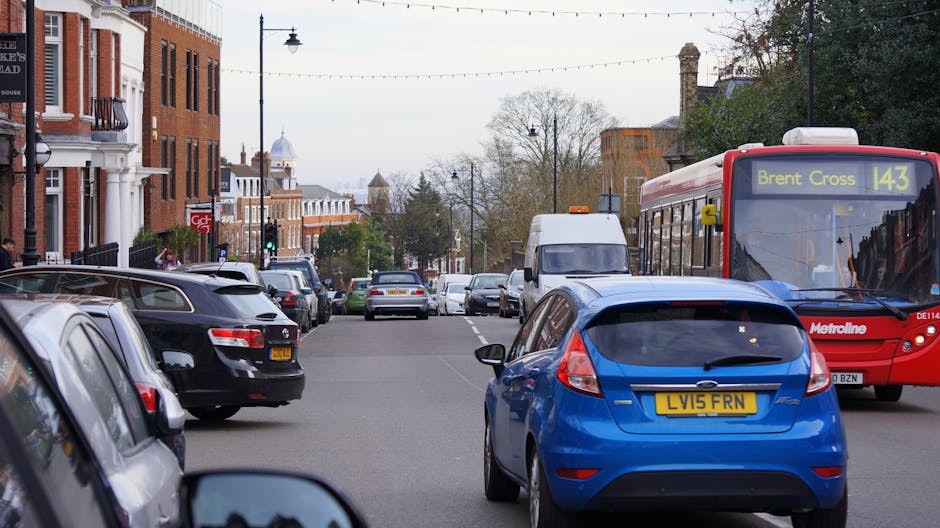
A removal van that is parked badly can trigger more than a fine. It can create a domino effect: blocked driveways, delayed loading, stressed neighbours, and increased risk of damage if movers rush to beat the clock. You will notice the problem most sharply in narrow streets where there is no room to "just stop for five minutes". Five minutes turns into fifteen, then somebody comes out waving, and the whole plan gets thrown off.
There is also a commercial side. If you are paying for a team or a van, lost time quickly becomes lost value. For that reason, parking enforcement should be treated as part of move planning, not a last-minute side issue. A proper plan can be the difference between a smooth handover and a day that feels like you are fighting the street itself.
For moves where access is especially awkward, it helps to think beyond parking alone. Packing efficiency, carrying distance, and building access all matter too. If you are still organising the move, our guides on packing for moving success and keeping the move calm and low-stress can make the wider process much easier.
How Parking Enforcement in DA6 Moves: Avoid Fines in Bexleyheath Works
In plain English, parking enforcement means that roads and parking spaces are monitored, and restrictions are applied where needed. That could include permit bays, loading-only areas, yellow line restrictions, time-limited waiting, or other local controls. During a move, a van might be perfectly placed for access but still unsuitable if the restriction does not allow the vehicle to stop there for the amount of time required.
What catches people out is that moving day feels temporary, but enforcement does not usually care that you are carrying a wardrobe out the front door. The rules still apply. If a space needs a permit, loading exemption, or a formal suspension, you generally need to arrange that in advance rather than hoping common sense will be enough. It usually is not, and that is the awkward bit.
In practice, the move team should think through four things:
- Where the van can legally stop.
- How long it can stay there.
- Whether loading or unloading activity is likely to be accepted.
- What will happen if the best spot is already taken by another vehicle.
Good moving plans usually account for all four, because enforcement problems rarely come from one giant mistake. They come from small ones stacking up. For example, the van arrives ten minutes late, the only workable bay is occupied, and the team has no backup plan. That is how a fine sneaks in.
If your move involves a complex access point, it is worth reading about specific local scenarios, such as parking tips for Bexleyheath Broadway moves or access solutions for Woolwich Road moves. Different streets create different problems, and that is exactly why a one-size-fits-all approach tends to fall flat.
Key Benefits and Practical Advantages
The main benefit is obvious: fewer fines. But there is more to it than saving money.
- Less delay. A correctly planned parking setup keeps loading and unloading flowing.
- Lower stress. Nobody enjoys standing on a pavement wondering whether a civil enforcement officer is about to appear.
- Safer handling. When the van is close to the entrance, heavy lifting is easier and quicker.
- Better neighbour relations. This sounds small, but it matters. A respectful parking setup reduces complaints.
- Cleaner cost control. Avoiding penalties and wasted time makes the overall move more predictable.
There is also a practical comfort issue. If movers have to carry furniture further because the best space is not legal or not available, physical strain rises. That means more fatigue, slower progress, and a greater chance of awkward bumps. If you are moving bulky items, it is worth seeing how the load itself affects the day. Our article on managing heavy lifting by yourself is useful background, especially if you are doing part of the move without help.
Another often-overlooked advantage is timing. If you get parking right, you can usually keep the whole schedule tighter. That matters a lot on days when access windows are short or when building rules make the move feel like a race against the clock. Not glamorous, but very real.
Who This Is For and When It Makes Sense
This is for anyone moving in or around DA6 who wants to avoid preventable parking trouble. That includes homeowners, tenants, landlords, student movers, office teams, and anyone using a man and van or full removal service.
It makes particular sense if:
- You are moving on a street with limited on-road parking.
- Your property is in a permit zone or a bay-restricted road.
- You expect the van to stay outside for longer than a quick drop-off.
- You have heavy furniture, appliances, or multiple loads.
- You are coordinating with block access, lift bookings, or time-limited loading bays.
Students moving into flats often underestimate parking. So do first-time movers. To be fair, most people only learn the hard way once. If you are in that camp, the broader advice in student removals in Bexleyheath and flat removals in Bexleyheath can help you plan for shared entrances, stairwells, and awkward roadside access.
It also makes sense if you are dealing with same-day moving pressure. When time is short, there is less room to improvise. That is why same-day removals in Bexleyheath tend to benefit from very clear parking decisions before the van even sets off.
Step-by-Step Guidance
Here is a practical way to reduce parking risks on moving day. Not fancy, just solid.
- Assess the street early. Look at the road layout, bay markings, signs, and any obvious restrictions. Do this before move day if possible.
- Decide what vehicle size is realistic. A smaller van may be easier to park legally and may save you a lot of circling.
- Check whether a loading bay or permit bay is needed. If the likely space is controlled, make sure you understand what activity is allowed there.
- Plan the van arrival time carefully. Try to avoid peak traffic or school-run style congestion where it applies.
- Prepare the property so loading starts quickly. Boxes labelled, furniture protected, doors held open if safe. Time matters.
- Keep a backup stop in mind. If the first choice is taken, where will the van go next?
- Assign one person to monitor the parking situation. It sounds simple, but it saves confusion. Someone should be watching the van while others carry items.
- Keep communications direct. If the driver needs to move, everyone should know instantly.
A useful extra step is to reduce the volume of stuff on the day itself. Less clutter means less shuttling between front door and van. If you need help deciding what can be cut before the move, our piece on decluttering before your next move is a good starting point.
And yes, sometimes the best step is just choosing the right kind of removal support. A well-organised crew with the right vehicle can make parking and loading feel almost boring, which is honestly the goal.
Expert Tips for Better Results
In our experience, the best parking plans are the ones that look a bit overprepared. That is a compliment. Overprepared beats sorry.
- Use a smaller vehicle where access is tight. A huge van is not always the clever option if it creates parking problems.
- Build in a time buffer. Ten spare minutes can absorb the unexpected, like a parked car blocking your first choice space.
- Protect the loading route. If the van cannot get close, check whether floor protection, stair handling, or extra carrying help is needed.
- Keep valuables separate. Don't mix important documents or keys into a box somewhere near the rear doors.
- Ask about insurance and safety procedures. A reliable team should be able to explain how they handle risk and access. Our insurance and safety information is a useful place to start if you want reassurance before booking.
One slightly old-school but very effective tip: walk the route from the front door to the van before the heavy lifting begins. You notice slopes, kerbs, awkward turns, and parked cars much faster on foot. It takes two minutes and saves a lot of grim muttering later.
If you are moving furniture that is awkward, valuable, or fragile, the parking plan should be matched with the item type. For example, a heavy piano, a large sofa, or a bed frame all have different access needs. That is why our specialist pages on furniture removals in Bexleyheath and piano removals in Bexleyheath can be worth a look if your move is not just boxes and suitcases.
Common Mistakes to Avoid
Most parking fines around moving day come from avoidable oversights, not dramatic disasters.
- Assuming a "quick stop" is fine. Restrictions usually still apply, even if you are only there briefly.
- Leaving parking until the van arrives. By then, your options are narrower and the pressure is higher.
- Ignoring signs because the area looks quiet. A quiet street can still be fully controlled.
- Parking too far away to save hassle. Sometimes this creates more hassle, because the extra carrying distance increases time and strain.
- Not accounting for loading time. A bay that seems fine for a single suitcase is not fine for a full house move.
- Letting everyone give instructions at once. That way lies chaos. Not much, but enough.
Another common mistake is forgetting that some buildings or estates have their own rules on top of street restrictions. If you are moving into a block, a concierge, lift booking system, or estate access rule may create another layer of timing pressure. You can read more about that in booking lift times in Bexleyheath concierge blocks and access tips for Danson Park Estate removals.
And yes, one more mistake worth naming: assuming every council or enforcement officer will interpret your situation the same way. They may not. That is why planning for compliance matters more than hoping for leniency.
Tools, Resources and Recommendations
You do not need a van full of gadgets to handle parking well, but a few simple tools help a lot.
- Printed move plan. Useful if phones die or signal disappears at the worst moment.
- High-visibility labels. They help movers spot priority items quickly.
- Protective blankets and straps. These reduce damage when load-in takes longer than expected.
- Clipboards or checklists. Old-fashioned, yes. Still useful.
- Clear contact list. Driver, property contact, and anyone holding keys should be easy to reach.
On the planning side, the most useful resources are often the ones that help you map the whole move rather than just the parking element. For instance, if you still need to organise packing materials, our packing and boxes page and packing guide can help reduce last-minute scrambling. If storage is part of the picture, storage in Bexleyheath may be useful when dates do not line up neatly.
If you want a service overview before deciding what level of help you need, take a look at the services overview and compare that with your own access needs. That usually gives you a clearer picture than guessing from memory at 9 p.m. the night before.
Law, Compliance, Standards, or Best Practice
Parking and loading rules in the UK can vary by road, borough, estate, and type of restriction. Because of that, the safest approach is to treat signage, local notices, and access rules as the primary source of truth for the street you are using. If a bay is controlled or a permit is needed, do not assume moving furniture gives you automatic permission to stop there.
From a best-practice point of view, a move should be planned so the vehicle, the loading time, and the access route all fit within the rules that apply on the day. That means checking in advance, allowing enough time, and avoiding the kind of "it'll be fine" thinking that tends to age badly very quickly.
Where council-controlled arrangements are involved, a formal suspension or permit may sometimes be needed. Where estate or block rules apply, the property manager may also impose separate conditions. The main takeaway is simple: compliance is not just about fines. It is also about respect, safety, and keeping the move from becoming everyone else's problem.
If you are comparing levels of help, it is worth using a removal team that understands the practical side of access, not just the lifting side. Our removal services, removal company guidance, and man with a van pages can help you judge what support level suits the job.
Options, Methods, or Comparison Table
There is more than one way to handle parking for a DA6 move. The right choice depends on the street, the vehicle size, and how much furniture you are moving.
| Option | Best for | Pros | Trade-offs |
|---|---|---|---|
| Street parking with careful timing | Short, simple moves on less restricted roads | Flexible and usually low-cost | Riskier if bays are busy or enforcement is active |
| Permit-based parking | Residential streets with managed parking | More predictable if arranged properly | Needs early planning and accurate details |
| Loading bay use | Moves with concentrated load-in/load-out activity | Close access, efficient handling | May be time-limited or heavily controlled |
| Smaller van and shuttle loads | Tight roads and difficult access | Easier to park and manoeuvre | May take longer overall |
| Professional access planning | Complex flats, estates, or heavy items | Reduces risk and stress | Can cost more upfront, but often saves hassle |
In practical terms, the best option is the one that avoids parking anxiety before it starts. If your move is more complicated than it first looked, choosing a method that gives you breathing room is usually the wise move. A slightly slower day can still be a better day.
Case Study or Real-World Example
A typical DA6 move might look something like this. A family is leaving a terraced property on a narrow road with limited on-street parking. They book a van the night before, assuming there will be space right outside. On the day, both sides of the road are occupied, and the nearest legal stop is far enough away to make carrying wardrobes and drawers painful.
Now the clock starts biting. The loading takes longer. The van has to move once. A neighbour needs their driveway clear. Someone asks whether the van can "just stay there for a minute". That is exactly how fines and tension creep in.
The better version is much less dramatic. The vehicle size is chosen with the street in mind. Items are staged by the front door. A backup space is identified in advance. One person watches the parking situation while the rest keep loading. The move still takes effort, of course, but the whole day feels controlled. More importantly, nobody is improvising under pressure.
We have seen the same pattern across different property types: the smoother the parking plan, the calmer the rest of the move tends to be. Strange how that works. Or maybe not strange at all.
Practical Checklist
Use this before moving day, and again on the morning of the move if needed.
- Check the street restrictions near both properties.
- Confirm the van size matches the access conditions.
- Identify where the vehicle can legally stop.
- Allow extra time for loading, especially with heavy items.
- Make sure keys, access codes, and contact details are ready.
- Keep boxes and furniture grouped logically near the exit.
- Brief everyone involved on who is watching parking.
- Have a backup space or backup plan if the first spot is taken.
- Keep essential items separate and easy to reach.
- Confirm building, estate, or lift restrictions if relevant.
If you are also planning to clear out items before the move, take a look at leaving your home spotlessly clean and, for larger discard piles, bulky waste removal during a Bexleyheath move. Both can make the parking and loading side simpler because there is just less to shift.
Conclusion
Parking Enforcement in DA6 Moves: Avoid Fines in Bexleyheath comes down to one thing: respect the street before the street makes things difficult for you. If you plan parking early, match the vehicle to the access, and keep the loading process organised, you lower the chance of fines and make the move far more manageable.
That does not mean every move will be flawless. Real streets are messy, and moving day has a habit of producing little surprises. But a sensible parking plan turns those surprises into small detours rather than expensive disasters. And that is a pretty decent trade.
If you are preparing for a move and want practical help with access, vehicle choice, or a tighter moving schedule, it is worth speaking to a local team that understands Bexleyheath streets properly. A bit of guidance now can save a lot of running around later.
Get a free quote today and see how much you can save.